Communal Area Cleaning in Sutton

Reliable communal cleaning for flats, apartments, and shared buildings in Sutton
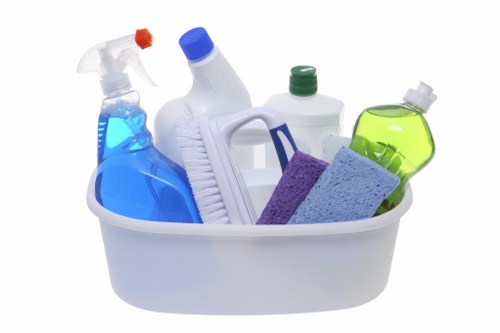
Clean shared entrance and stairwell in a Sutton residential building

If you manage a block of flats, live in a shared building, or look after a mixed-use property, Communal area Cleaning in Sutton is one of those services that quickly makes a difference to everyday life. Shared spaces are the first thing residents, visitors, and potential buyers notice. They also collect the most wear: muddy footprints in winter, dust in stairwells, fingerprints on glass doors, litter near entrances, and general buildup in high-traffic areas.

A local, dependable cleaning team helps keep those spaces looking cared for and safe. In Sutton, that matters across a wide mix of property types, from purpose-built apartment blocks and converted houses to modern developments, housing association buildings, retirement schemes, office buildings, and commercial premises with shared access areas. The best service is one that fits the building, the residents, and the rhythm of daily use without causing disruption.

That is why many local property managers, landlords, residents’ associations, and business owners choose a service designed around communal area cleaning rather than a one-size-fits-all approach. The goal is simple: keep shared spaces clean, fresh, and presentable in a consistent way that suits the building and the people using it.

Why communal cleaning matters for Sutton properties

Professional communal cleaning in a Sutton apartment block corridor

Shared parts of a building often see the heaviest use but receive the least attention from individual occupants. One person may notice the staircase needs sweeping, another may be concerned about bin areas, and someone else may be focused on the front entrance or lift doors. A professional communal cleaning service brings all of those needs together into a regular routine.

In Sutton, shared spaces can face a range of practical issues depending on the building and the season. Wet weather brings in grit and leaves, especially through main entrances and side access routes. Busy commuter patterns can mean constant foot traffic in and out of blocks near transport links. Residential buildings with family households may need extra focus on handrails, landings, and lift buttons. Commercial buildings may need early-morning cleaning so entrances are ready before staff and visitors arrive.

Clean communal areas do more than improve appearance. They help support hygiene, reduce odours, lower slip risks, and make residents feel more comfortable in their home environment. For landlords and managing agents, regular cleaning also helps protect the condition of fixtures and finishes, which can reduce avoidable maintenance issues over time.

What is included in communal area cleaning?

Every building is different, so the exact service should be tailored to the property layout and usage. A good communal area cleaning plan usually focuses on the spaces people use most and the surfaces that collect dirt the fastest.

Typical tasks may include:

  • Sweeping and mopping entrance halls, corridors, and staircases
  • Vacuuming carpets and runners in shared areas
  • Dusting skirting boards, ledges, handrails, and reachable surfaces
  • Cleaning internal doors, door handles, push plates, and light switches
  • Wiping lifts, lift buttons, and surrounding panels
  • Cleaning glass doors, internal glazing, and entrance panels
  • Removing cobwebs and general dust buildup in corners and higher edges
  • Emptying communal bins or litter points where agreed
  • Spot-cleaning marks on walls, frames, and surfaces
  • Keeping reception, lobby, and waiting areas tidy

Some properties may also benefit from additional attention in places such as bin stores, cycle storage areas, underground parking access points, or external walkways. Where needed, the cleaning schedule can include these areas too, provided access and building rules allow it.

For buildings with shared facilities, consistency matters just as much as the tasks themselves. A predictable routine helps residents know what to expect, and it helps managers keep common areas in a presentable condition throughout the week.

Local knowledge makes a real difference in Sutton

Cleaner maintaining lift and hallway areas in Sutton shared property

Sutton includes a broad mix of neighbourhoods and building styles, and that affects how communal cleaning needs to be delivered. Some properties are compact and easy to access, while others have multiple entrances, long corridors, internal car parks, or restricted entry points. A local team that understands the area can plan for those practical details from the beginning.

Access and parking can be a challenge in parts of Sutton, especially where roads are busy, visitor bays are limited, or a building sits close to a high street, school, or commuter route. That can affect the timing of visits and the equipment brought on site. It can also influence whether cleaning is best carried out early morning, during quieter hours, or at a set time that avoids resident inconvenience.

Local experience is also useful because different buildings have different expectations. For example, a small conversion in a residential street may need discreet, careful cleaning around narrow staircases, while a larger apartment development may require a more structured visit covering lifts, landings, glass entrances, and shared refuse points. A local provider can adapt the service to suit the property rather than forcing the property to suit the service.

Who benefits from communal area cleaning?

Communal cleaning services are useful across a wide range of Sutton customers. The most common include:

  • Managing agents looking after apartment blocks or mixed-use buildings
  • Landlords responsible for shared hallways, stairwells, and entrance areas
  • Residents’ associations wanting a dependable standard in shared spaces
  • Housing providers with multiple occupied units and regular foot traffic
  • Commercial property managers overseeing shared entrances, lobbies, and facilities
  • Business owners with office buildings, studio spaces, or multi-tenant premises
  • Retirement and supported living schemes where cleanliness and comfort are especially important

Each customer group has different priorities. A landlord may be focused on keeping communal areas tidy for tenants and inspections. A property manager may need a reliable schedule that fits the building’s maintenance plan. A business owner may want the first impression of a shared entrance to reflect the professionalism of the workplace. A retirement property may need a service that is respectful, steady, and careful around residents.

The right communal area cleaning service should feel easy to manage. It should reduce stress, not create more work, and it should support the long-term upkeep of the building.

What a professional visit typically looks like

Local team cleaning a Sutton building lobby and glass entrance

When a cleaning team arrives at a Sutton property, the visit should follow a clear routine. That routine may vary depending on the agreement, but it usually begins with a walkthrough or an agreed checklist so the team knows what needs attention and which areas are highest priority.

A structured visit often includes checking the main points of contact first: entrance floors, stair edges, handrails, lift buttons, and glass doors. From there, the team can move through corridors, landings, bin areas, and any other shared locations included in the schedule. The emphasis is usually on the areas that residents touch most often and the spaces that show dirt quickly.

Good communal area cleaning also means being aware of building etiquette. That includes working neatly, avoiding blocked access routes, respecting quiet hours where relevant, and keeping noise and disruption to a minimum. In busy blocks, a discreet and efficient approach is often just as important as the cleaning itself.

Common areas that may need extra attention

Some parts of a building need more than a quick sweep and wipe. These include:

  • Entrance mats that trap grit and moisture
  • Lift interiors and control panels
  • Shared mail areas
  • Top-floor landings where dust can collect
  • Bin rooms and refuse holding areas
  • Glass entry doors that show fingerprints easily
  • Basement access points and internal walkways

Cleaning tailored to the type of property

Not all communal areas are the same. The right plan depends on the layout, resident numbers, foot traffic, and whether the building is residential, commercial, or mixed-use. This is why a flexible approach matters.

Apartment blocks and flat conversions

In flat blocks and converted buildings, stairwells, corridors, and shared entrances often need regular care because they are used constantly and can show dirt quickly. Narrow staircases, older finishes, and shared walls can require a careful hand. In converted houses, it is especially important that cleaning is thorough but unobtrusive, with attention paid to preserving the character of the building.

Modern developments

Newer properties often have brighter lobbies, glass features, lifts, and polished floors. These surfaces can look excellent when maintained properly, but they also show smudges, dust, and marks very easily. A tailored cleaning schedule helps keep them looking smart and well maintained.

Commercial buildings and mixed-use premises

Shared access areas in commercial buildings need to be clean, professional, and ready for staff, tenants, and visitors. Reception zones, corridors, lift lobbies, and shared toilets may all need attention depending on the setup. For mixed-use buildings, cleanliness must support both the business users and the residents who rely on the same building entrances and common parts.

Special considerations for Sutton properties

Sutton’s mix of residential streets, busier routes, and central areas means timing and access planning can be just as important as the cleaning itself. If a building has limited parking, restricted entry, coded access, or narrow shared staircases, it helps to work with a team that can plan efficiently and respect those conditions.

How the service works

If you are arranging communal area cleaning for the first time, the process should feel straightforward. A reliable local company will usually start by understanding the property and the issues that matter most to you.

  1. Initial discussion – You explain the building layout, the areas that need cleaning, and how often the service is required.
  2. Property assessment – The team reviews the communal spaces, access arrangements, and any building-specific instructions.
  3. Cleaning schedule – A plan is created that fits the property’s needs and the preferred visit times.
  4. Regular service visits – The cleaning team attends as agreed and completes the required tasks consistently.
  5. Ongoing adjustments – If the building’s use changes, the service can be reviewed and adapted.

This approach helps keep expectations clear. It also makes it easier for property managers and residents to know exactly what is being done and when. Clarity is important in shared buildings, especially where multiple people rely on the same spaces every day.

If you are ready to improve the condition of your shared areas, request a free quote and arrange a plan that suits your Sutton property.

Benefits of regular communal area cleaning

Regular communal area cleaning for a Sutton property entrance and landing

Regular cleaning offers more than a tidy appearance. It contributes to the overall atmosphere of a building and helps maintain standards over time. Residents are more likely to feel comfortable in a clean space, and visitors are more likely to notice that the building is cared for.

One of the biggest practical benefits is reduced build-up. Dirt, dust, and litter become harder to manage if they are left too long. A routine cleaning schedule prevents the gradual decline that can happen when shared areas are cleaned only occasionally or reactively. This is especially useful in busy Sutton blocks where people come and go throughout the day.

There are also health and safety advantages. Stairwells, entrance floors, and corridors can become slippery when rainwater, grit, or debris are tracked inside. Regular attention helps reduce that risk. Clean handrails, touchpoints, and lift controls also improve the overall hygiene of the building.

What to look for in a local cleaning provider

Choosing the right company for communal area cleaning in Sutton is about trust, consistency, and fit. You want a team that understands how shared buildings work and can deliver the service without needing constant supervision.

  • Local familiarity with Sutton roads, access issues, and building types
  • Flexible scheduling to fit resident and business routines
  • Attention to detail in both visible and high-touch areas
  • Clear communication so the service is easy to manage
  • Respect for residents and tenants while working on site
  • Practical experience with stairwells, lifts, lobbies, and shared facilities

It is also sensible to ask how the service is tailored. Buildings change over time: resident numbers rise or fall, weather affects footfall, and shared spaces may need more frequent cleaning at certain times of year. A strong provider will be ready to adjust to that.

Why a local company is often the better choice

A local team can usually respond more quickly, understand parking and access limitations better, and provide a service that feels more personal. In Sutton, that can make a real difference where buildings are set close together, where access routes are tight, or where cleaning needs to happen at careful times to avoid disruption.

Local providers are also more likely to understand the expectations of different property types in the area. For example, a modern apartment complex near the town centre may need a polished, presentable finish, while a quieter residential block may prioritise discretion and reliability. A good service should be able to adapt to both.

Pricing factors and what affects the quote

Many customers want to know what influences the cost of communal area cleaning. While exact pricing depends on the building and service scope, several practical factors usually play a part.

  • The size of the building and number of floors
  • The amount of foot traffic and how quickly areas become dirty
  • The frequency of cleaning visits required
  • Whether lifts, bin rooms, or additional shared spaces are included
  • The level of detail needed, such as glass cleaning or deep dust removal
  • Access conditions, including keys, codes, parking, or time restrictions
  • Any special requests for commercial or mixed-use premises

It is often useful to think of pricing in relation to building condition and upkeep needs. A regular, well-planned cleaning schedule may help reduce the need for heavier remedial work later. That can be a worthwhile consideration for landlords and managers planning for the long term.

For the most accurate figure, a site-specific quote is usually the best starting point. That allows the service to be tailored properly rather than estimated from a generic description.

Preparation checklist before your first visit

To help the cleaning team work efficiently, a little preparation can make the first visit smoother. This does not need to be complicated, but it helps ensure the service gets off to the right start.

Useful things to arrange in advance

  • Confirm access details, such as keys, fobs, codes, or intercom instructions
  • Let the team know where parking is possible, if relevant
  • Identify any areas that should not be cleaned or accessed
  • Highlight fragile fixtures, sensitive surfaces, or new finishes
  • Share the preferred cleaning frequency and visit times
  • Make sure residents or occupants know when cleaning is due to take place
  • Point out any recurring problem areas, such as litter points or entrance marks

If the building has rules about noise, visitor access, or use of service entrances, those should be passed on as well. The more the team understands from the start, the easier it is to deliver a smooth, effective service.

Areas covered around Sutton

Communal cleaning requests often come from throughout Sutton and nearby locations. Shared buildings in town-centre locations may need different scheduling from quieter suburban streets, but the need for a tidy and well-kept communal area is the same.

Service coverage can typically include Sutton and surrounding local areas such as Cheam, Belmont, Carshalton, Wallington, Worcester Park, Banstead, Rosehill, and nearby residential and commercial districts. If your property sits close to one of these areas, a local cleaning team can usually plan a visit around the route, building access, and preferred timing.

Whether the property is part of a busy estate, a smaller managed block, or a mixed-use building with shared entrances, the aim remains consistent: a clean, orderly communal environment that supports everyday use.

Frequently asked questions

How often should communal areas be cleaned?

It depends on the building’s size, resident numbers, and level of traffic. Some properties need cleaning several times a week, while smaller or quieter buildings may need a less frequent schedule. A suitable plan should be based on how quickly the areas become dirty and what standard you want to maintain.

Can the service be arranged for both residential and commercial properties?

Yes. Communal area cleaning is suitable for apartment blocks, converted houses, office buildings, mixed-use premises, and other shared properties. The tasks and schedule can be adjusted to suit the type of building.

What if the building has limited access or parking?

That is a common issue in Sutton and many other local areas. A local team can plan around access restrictions, arrange visit times carefully, and work efficiently where parking or entry is limited.

Will the cleaning include bin areas and external shared spaces?

It can, if these areas are part of the agreed service. Many properties benefit from having bin stores, entry paths, and other shared points included, especially where litter or odours can build up quickly.

Can the service be adapted if the building needs change?

Yes. Buildings often change over time, whether because of new residents, seasonal footfall, or changes in property use. A flexible service can be reviewed and adjusted so it continues to meet the building’s needs.

How do I know what tasks are included?

The cleaning plan should be clear from the start. It is best to agree the exact areas, tasks, and frequency before work begins so everyone understands what is covered.

Ready to arrange communal cleaning for your Sutton property?

If your shared entrance, staircase, corridor, or lobby needs regular attention, now is a good time to arrange a service that keeps everything presentable and manageable. Communal area cleaning in Sutton is most effective when it is consistent, well planned, and suited to the property itself.

Whether you are responsible for a small block of flats, a larger apartment development, a mixed-use building, or a commercial property with shared access areas, a local cleaning team can help you keep standards high without adding unnecessary hassle.

Contact us today to discuss your requirements, request a free quote, and book your service now for a cleaning plan that works for your building and your schedule.

Sutton Cleaner

Communal area Cleaning in Sutton helps keep shared entrances, stairwells, corridors, lifts, and bin areas clean, safe, and presentable for local properties.

Call Now!
Get a Quote

Get In Touch With Us.

Please fill out the form below to send us an email and we will get back to you as soon as possible.