Sutton High Street Office Cleaning Solutions
If you run or manage an office near Sutton High Street, you already know the small things matter. A tidy reception, clean desks, fresh-smelling meeting rooms, and floors that do not look tired by midweek all shape how people feel the moment they walk in. Sutton High Street Office Cleaning Solutions is really about that everyday standard: making a busy workplace look professional, feel healthier, and stay ready for staff, clients, and visitors without creating disruption.
It is not just about "cleaning up" either. In a local office environment, the right approach needs to work around footfall, shared kitchens, narrow time windows, seasonal grime, and the messy reality of modern workspaces. Some teams need early-morning cleaning before the shutters go up. Others need evening visits after the last laptop has closed. Either way, the aim is the same: a dependable system that keeps your office looking cared for, not merely wiped over.
In this guide, you will find a practical breakdown of how office cleaning solutions work, what to expect from a proper service, where businesses often go wrong, and which decisions actually make a difference. If you are comparing options, it may also help to look at the broader approach to commercial cleaning and the more specific office cleaning service pages to understand how the service can be structured around your workplace.
Table of Contents
- Why Sutton High Street Office Cleaning Solutions Matters
- How Sutton High Street Office Cleaning Solutions Works
- Key Benefits and Practical Advantages
- Who This Is For and When It Makes Sense
- Step-by-Step Guidance
- Expert Tips for Better Results
- Common Mistakes to Avoid
- Tools, Resources and Recommendations
- Law, Compliance, Standards, or Best Practice
- Options, Methods, or Comparison Table
- Case Study or Real-World Example
- Practical Checklist
- Conclusion
- Frequently Asked Questions
Why Sutton High Street Office Cleaning Solutions Matters
Sutton High Street is the kind of place where first impressions do a lot of heavy lifting. Offices here often sit close to passing customers, delivery activity, public transport movement, and the general churn of a busy town centre. That means dust, tracked-in dirt, bin odours, and fingerprints build up faster than people expect. And once a workplace starts looking neglected, it tends to stay that way unless there is a clear plan.
There is a practical reason this matters. Clean offices are easier to work in. Staff waste less time sidestepping clutter, clients feel more confident, and common areas stop becoming problem spots. A half-clean kitchen, for example, can annoy people all week. A properly managed cleaning routine tends to remove those little frustrations before they spread. Truth be told, most offices do not need perfection; they need consistency.
It also matters because office cleaning is not the same as domestic cleaning. Commercial settings usually need more attention to touchpoints, shared equipment, floors, washrooms, and waste handling. You might also need a service that can work around open-plan layouts, multiple teams, or buildings with shared access. A good provider will understand that the office is not a static space. It changes through the day, and the cleaning plan should flex with it.
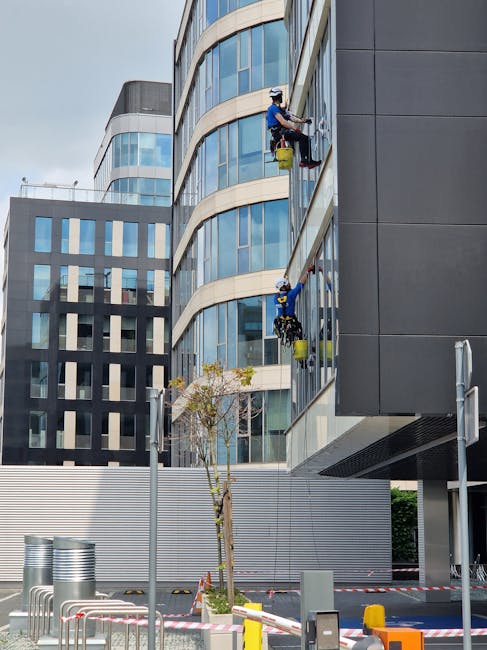
For businesses that want a broader commercial support package, commercial carpet cleaning and window cleaning can be useful add-ons where traffic, dust, or branding matter. A clean window on a grey London morning can lift a whole frontage, honestly. Small thing, big difference.
How Sutton High Street Office Cleaning Solutions Works
At its best, office cleaning follows a simple idea: clean the right things, at the right frequency, in the right order. The detail underneath that idea is where the quality lives. A workplace near Sutton High Street may need a different rhythm depending on opening hours, staff numbers, customer visits, and the nature of the business itself.
Usually, the process starts with a site review or at least a clear conversation about the space. A cleaner should understand the layout, the surfaces, the high-use zones, and any items that need care. For example, a recruitment office with lots of carpet and visitor traffic will have different needs from a small consultancy with hard flooring, glass partitions, and one communal kitchen. Same category, different reality.
From there, a proper cleaning plan often separates tasks into daily, weekly, and periodic jobs:
- Daily tasks: bins, desks, touchpoints, washrooms, kitchen surfaces, floors, and visible debris.
- Weekly tasks: deeper dusting, skirting areas, internal glass, appliance surfaces, and harder-to-reach spots.
- Periodic tasks: deep cleaning, carpet care, upholstery refreshes, and floor restoration as needed.
That structure matters because not everything needs to happen every visit. Some of the best cleaning contracts are the quiet ones: no drama, no guesswork, just a rhythm that keeps the space steady. If your office has frequent visitors or clients, you may also want occasional deep cleaning to reset the space after busy periods, events, or seasonal spikes.
In practical terms, the work is often done outside core trading hours. Early morning and evening sessions are common because they reduce disruption and allow cleaners to focus properly. A rush-hour office clean is possible, but not ideal. People are walking through, phones are ringing, and someone always needs to get to the kettle, don't they?
Key Benefits and Practical Advantages
The obvious benefit is appearance, but that is only the starting point. A well-run office cleaning solution can support productivity, morale, and even the lifespan of your fixtures and finishes. You notice it most on the little things: the absence of sticky desk edges, the cleaner smell in the kitchen, the floor that no longer looks dull by Thursday afternoon.
Key practical advantages include:
- Better professionalism: Clients, suppliers, and job candidates form an impression quickly.
- Healthier day-to-day conditions: Regular touchpoint cleaning helps reduce the spread of grime and visible contamination.
- Longer-lasting surfaces: Dirt and grit wear floors, carpets, and upholstery down faster than most people realise.
- More consistent standards: Staff do not have to "make do" with half-finished shared spaces.
- Less last-minute panic: No more urgent scrambles before a client visit or inspection.
There is also a quiet commercial value. An office that feels cared for gives people confidence. It suggests the business pays attention. That can be especially useful in high-traffic settings where visitors may only see reception, meeting rooms, and washrooms. Those spaces carry a lot of weight.
When the work includes carpeted areas, carpet cleaning or steam carpet cleaning may be part of the plan, especially where chairs, shoes, and daily foot traffic leave the floor looking tired. If the office has hard flooring instead, a hard floor cleaning approach can make a noticeable difference without making the floor slippery or overly glossy.
Who This Is For and When It Makes Sense
Sutton High Street office cleaning solutions make sense for a wide range of workplaces, not just large corporate settings. In fact, many smaller businesses benefit the most because they usually have less internal resource to handle cleaning properly. A receptionist, office manager, or business owner can only keep so many plates spinning at once.
This kind of service is a strong fit if you run:
- a professional office with client visits
- a shared workspace or serviced office
- a small team in an open-plan unit
- a clinic, consultancy, studio, or admin office
- an office above retail space or near busy foot traffic
It also makes sense after changes in the office. New furniture, a team move, building works, or a switch in layout can all leave dust and residue in awkward places. If that is your situation, a service such as after builders cleaning may be more appropriate before the usual cleaning routine takes over. That is one of those jobs people underestimate. You think the dust has settled. It has not.
For businesses that need cleaning on a recurring basis, the regularity matters as much as the method. A regular cleaning arrangement is often the most sensible option when you want standards to stay consistent instead of dropping and recovering in cycles. That pattern is common in real offices: tidy for a while, then busy, then a bit chaotic, then a panic clean. Better to remove the cycle altogether.
Step-by-Step Guidance
If you are planning office cleaning for the first time, or reviewing a current arrangement that feels patchy, it helps to follow a structured process. Not fancy. Just clear.
- Walk through the office properly. Look at reception, desks, kitchen points, washrooms, storage, and any shared equipment. Notice where dirt gathers, not just where it shows.
- List the non-negotiables. These are the things that must always be done, such as bins, sanitising touchpoints, and washroom standards.
- Separate daily from periodic work. Some tasks belong in every visit; others should happen weekly or monthly.
- Choose the right cleaning times. Early morning, late evening, or quieter business periods tend to work best.
- Agree on access and security. Keys, alarms, alarm codes, and entry instructions should be handled carefully and documented clearly.
- Set a review point. After a few visits, check whether the plan is actually working in the real world.
A small office in Sutton High Street may only need a compact schedule. A larger office, or one with a lot of visitors, may need a deeper plan with more frequent attention to carpets, glass, and washrooms. The important bit is not copying someone else's checklist. It is building one that fits your space. Simple, but easy to miss.
When the office has furniture that absorbs dust and spills, a combination of upholstery cleaning and office cleaning can help keep the space fresher for longer. Chairs, lobby seating, and soft waiting-room furniture collect more than people think. You see it most when sunlight hits the fabric at the wrong angle. Not ideal.
Expert Tips for Better Results
In our experience, the difference between average and excellent office cleaning usually comes down to planning and honesty. Average services chase visible dirt. Better services understand patterns: where people touch, what gets tracked in, and what will become a problem next week if it is ignored today.
A few expert tips:
- Protect high-touch zones first. Door handles, light switches, shared desks, phones, and kitchen counters need special attention.
- Match cleaning products to surfaces. One product does not suit everything, despite what some people hope on a busy Monday.
- Use matting strategically. Entry points collect grit that later scratches floors and embeds into carpets.
- Ask for area-specific tasks. Reception, toilets, kitchens, and meeting rooms should never be treated as identical spaces.
- Plan for seasonal changes. Winter brings wet shoes and more grime; summer can bring dust and opened windows.
A good office cleaning solution should feel measured, not random. You want the cleaner to notice the small things without needing constant instruction. That does not happen by magic. It happens when the provider understands the space, the people, and the pace of the building.
One quiet but useful recommendation: keep a simple written note of recurring problem spots. Maybe it is the kitchen sink area. Maybe it is the corner near the printer. Maybe it is the meeting room carpet by the window. Once you know the pattern, you can stop fighting the same little fire every week.
Common Mistakes to Avoid
A lot of office cleaning problems do not come from poor intentions. They come from vague expectations. Everyone thinks the other person is handling it. Then suddenly the bins are overflowing and somebody is pretending not to notice.
Common mistakes include:
- Hiring on price alone. The cheapest quote often leaves out important tasks or consistency.
- Not defining the scope. If you do not say what matters, the cleaner has to guess.
- Ignoring access issues. Missed visits often happen because entry details were unclear.
- Forgetting periodic tasks. Daily cleaning alone will not save carpets, windows, or fabric seating forever.
- Using the same schedule all year. A winter office and a summer office are not quite the same thing.
Another common issue is assuming every surface needs the same level of attention. It does not. Washrooms and kitchens need more frequent, more focused care than storage cupboards or low-traffic admin areas. Likewise, some items require specialist treatment rather than routine wiping. That is where services like stain removal or pet stain odour removal can matter in mixed-use spaces, though office settings usually need them only in specific situations.
And yes, there is also the mistake nobody likes to admit: letting the office look "fine" until the day before a visit. It is a classic move. Usually expensive in stress.
Tools, Resources and Recommendations
You do not need a warehouse full of equipment to maintain a clean office. What you do need is the right set of tools, the right frequency, and a provider who understands how to use them safely and effectively.
Useful tools and resources often include:
- microfibre cloths for dust and touchpoints
- colour-coded cleaning materials to reduce cross-contamination
- appropriate vacuum equipment for carpets and mats
- surface-safe products for desks, glass, and kitchen areas
- waste and recycling bins that are easy to service
- a simple cleaning log or task schedule
If your office has hard floors in reception or corridors, it can help to pair routine cleaning with specialist care from hard floor cleaning. If the building has shared access points or external touch areas, communal area cleaning can support the main office routine and keep entrances, stairwells, or shared lobbies looking presentable.
For companies with a strong presentation standard, window cleaning and facade cleaning can also help create a sharper overall impression. You do not always need them weekly, but they can transform the way a building is perceived from the street. Especially near Sutton High Street, where people are moving quickly and making snap judgments.
Law, Compliance, Standards, or Best Practice
Office cleaning touches on a few areas where care matters: health and safety, safe use of products, secure access, insurance, and clear working arrangements. This is not the part people get excited about, admittedly, but it is the part that protects everyone when things go wrong.
In the UK, businesses generally need to manage workplace cleanliness in a way that supports safe working conditions. That does not mean every office needs a complicated compliance manual. It does mean cleaning should be planned sensibly, staff should not be exposed to avoidable risks, and cleaning materials should be handled properly. If a provider has a clear health and safety policy and a transparent insurance and safety approach, that is a very good sign.
Best practice usually includes:
- using suitable products for each surface
- keeping walkways clear while work is carried out
- avoiding cross-contamination between toilets, kitchens, and workspaces
- protecting keys, alarm codes, and site access information
- documenting scope, schedule, and responsibilities clearly
It is also worth checking policies on payments, privacy, and service terms before you commit. A reliable provider should make their process easy to understand. If you want to understand how a business handles those practicalities, it can help to review pricing and quotes, payment and security, and terms and conditions. That may sound a bit formal, but it saves headaches later. Quite a lot, actually.
Options, Methods, or Comparison Table
Not every office needs the same cleaning method. Some spaces benefit from a simple recurring routine. Others need periodic deeper work alongside daily servicing. Below is a plain comparison to help you think it through.
| Approach | Best for | Strengths | Limitations |
|---|---|---|---|
| Regular office cleaning | Busy offices, client-facing spaces, shared work areas | Consistent standards, predictable upkeep, fewer surprises | May not fully address deeper grime or older wear |
| One-off office cleaning | After events, before inspections, or when standards have slipped | Fast reset, useful for catching up | Not a substitute for ongoing maintenance |
| Deep cleaning | Seasonal refreshes, neglected areas, post-refurbishment spaces | More thorough, tackles hidden dirt and build-up | Takes longer and is usually more intensive |
| Specialist surface care | Carpets, floors, upholstery, glass, and specific stains | Extends surface life, improves appearance | Usually needs targeted booking rather than routine visits |
For many Sutton High Street offices, the best answer is a mix: routine cleaning for the basics, plus periodic specialist work where needed. That combination is steady, economical in the long run, and much less stressful than playing catch-up after the fact.
Case Study or Real-World Example
Imagine a small professional office close to Sutton High Street with eight staff, a reception area, one kitchen, one washroom, and two carpeted meeting rooms. The team is busy, clients visit a few times a week, and the office opens early. For a while, staff tried to manage cleaning internally. It worked, sort of. Then it didn't.
The first problem was the kitchen. Mugs piled up, the sink started to smell by Thursday, and the fridge had that unmistakable "someone should deal with this" atmosphere. The second problem was the carpet near the entrance. Shoes tracked in grit, and the area looked tired even though the office was otherwise well maintained. Nothing dramatic. Just enough to chip away at the overall feel of the place.
Once a structured office cleaning plan was introduced, the difference showed up in stages. The reception looked more welcoming. The washroom stayed more consistent. The kitchen became a place people actually wanted to use. Then, a few weeks in, the meeting rooms stopped looking dull under daylight because the carpets had been properly refreshed. Not magic. Just proper organisation.
This is a realistic pattern. The value is rarely one single big transformation. It is the accumulation of smaller improvements until the office starts feeling calm again. And calm matters. It changes how people work, how visitors perceive you, and how much time your team spends worrying about mess.
Practical Checklist
Use this checklist if you are planning or reviewing Sutton High Street office cleaning solutions. It keeps the conversation focused and helps you avoid vague promises.
- Have you identified the busiest areas of the office?
- Have you separated daily tasks from weekly or monthly tasks?
- Are toilets, kitchens, and touchpoints clearly included?
- Have you agreed on access arrangements and security?
- Do you know whether the office needs carpet, floor, or window care too?
- Have you asked about insurance and health and safety procedures?
- Is there a review point after the first few visits?
- Have you clarified what is excluded, not just what is included?
- Is the cleaning scheduled at a time that avoids disruption?
- Do you have a clear way to raise issues if something is missed?
If you can answer most of those questions, you are already in a much better place than many offices that simply hope for the best. Hope is lovely, but a checklist is better.
Get a free quote today and see how much you can save.
Conclusion
Sutton High Street Office Cleaning Solutions is about more than keeping things presentable. It is about building a workplace that feels organised, trustworthy, and easier to use every single day. The right cleaning plan protects your image, supports your staff, and removes a lot of low-level friction that people often tolerate for far too long.
The best results usually come from a simple formula: clear scope, sensible frequency, good communication, and a provider who knows how to work around a real business day. Not a perfect office. A practical one. A place that feels looked after, without being overcomplicated. That is usually enough to make a real difference.
And if you are weighing up options, remember this: the right office cleaning solution should make life feel smoother, not more complicated. That is the whole point, really.
Frequently Asked Questions
What are Sutton High Street Office Cleaning Solutions?
They are tailored cleaning arrangements for offices near Sutton High Street, designed to keep workplaces clean, presentable, and workable on a regular basis. The service usually covers core areas like desks, kitchens, washrooms, floors, and touchpoints.
How often should an office near Sutton High Street be cleaned?
That depends on footfall, staff numbers, and how client-facing the space is. Many offices benefit from daily cleaning, with deeper tasks scheduled weekly or periodically. Busy spaces usually need more frequent attention than quiet ones.
Is office cleaning the same as commercial cleaning?
Office cleaning is a type of commercial cleaning, but it is more specific. Commercial cleaning can cover a wider range of premises, while office cleaning focuses on the needs of desks, meeting rooms, reception areas, kitchens, and washrooms in office settings.
Do I need deep cleaning as well as regular office cleaning?
Often, yes. Regular cleaning keeps standards steady, but deep cleaning helps tackle hidden dirt, built-up grime, and neglected areas. It is especially useful after refurbishment, busy periods, or when the office has started to look tired.
What areas should always be included in office cleaning?
At a minimum, most offices should include waste bins, washrooms, kitchen surfaces, touchpoints, floors, and visible debris. Reception and meeting spaces also matter if clients or visitors use them regularly.
How do I know if a cleaning quote is good value?
Look beyond price alone. Check what is included, how often visits happen, whether specialist tasks are covered, and how the provider handles access, safety, and communication. A cheap quote that misses key areas can end up costing more later.
Can office cleaning be done outside working hours?
Yes, and that is often the most practical option. Early morning or evening cleaning reduces disruption and allows the cleaner to work more efficiently. It is especially useful in busy offices where staff are moving around during the day.
What should I ask before booking an office cleaning service?
Ask about the scope of work, frequency, access arrangements, insurance, health and safety procedures, and how problems are reported or corrected. It is also sensible to ask whether carpet, floor, or window cleaning can be added if needed.
Are carpets and floors usually included in office cleaning?
Basic floor cleaning is often included, but specialist carpet care or hard floor treatment may be separate. If you have high-traffic flooring, it is worth checking whether services like carpet cleaning or hard floor cleaning can be added to the plan.
What if my office has shared areas or communal access?
Then you may need cleaning beyond the office itself. Shared entrances, stairwells, or lobbies can benefit from communal area cleaning so the whole building feels cared for, not just the room you control directly.
Is there a best cleaning method for client-facing offices?
Usually the best method is a consistent routine supported by periodic deep or specialist cleaning. Client-facing offices benefit most when reception, washrooms, and meeting rooms are always reliable. That consistency does more than a one-off overhaul ever can.
How do I switch from internal cleaning to a professional service?
Start by listing what your team currently handles, what they struggle to keep up with, and what must improve. Then build a simple cleaning scope, agree on access and timings, and set a review date after the first few visits. The transition is easier than most people expect.
What kind of businesses in Sutton High Street need office cleaning the most?
Any business with staff, visitors, shared spaces, or a need to maintain a professional image will benefit. Small offices often need it most because they rarely have spare time to manage cleaning properly themselves.
Can office cleaning help with odours and stale air?
Yes, to a degree. Regular waste removal, kitchen cleaning, washroom care, and fabric maintenance all help prevent that stale, tired office smell. A fresh office never feels accidental; it is usually the result of steady maintenance.